
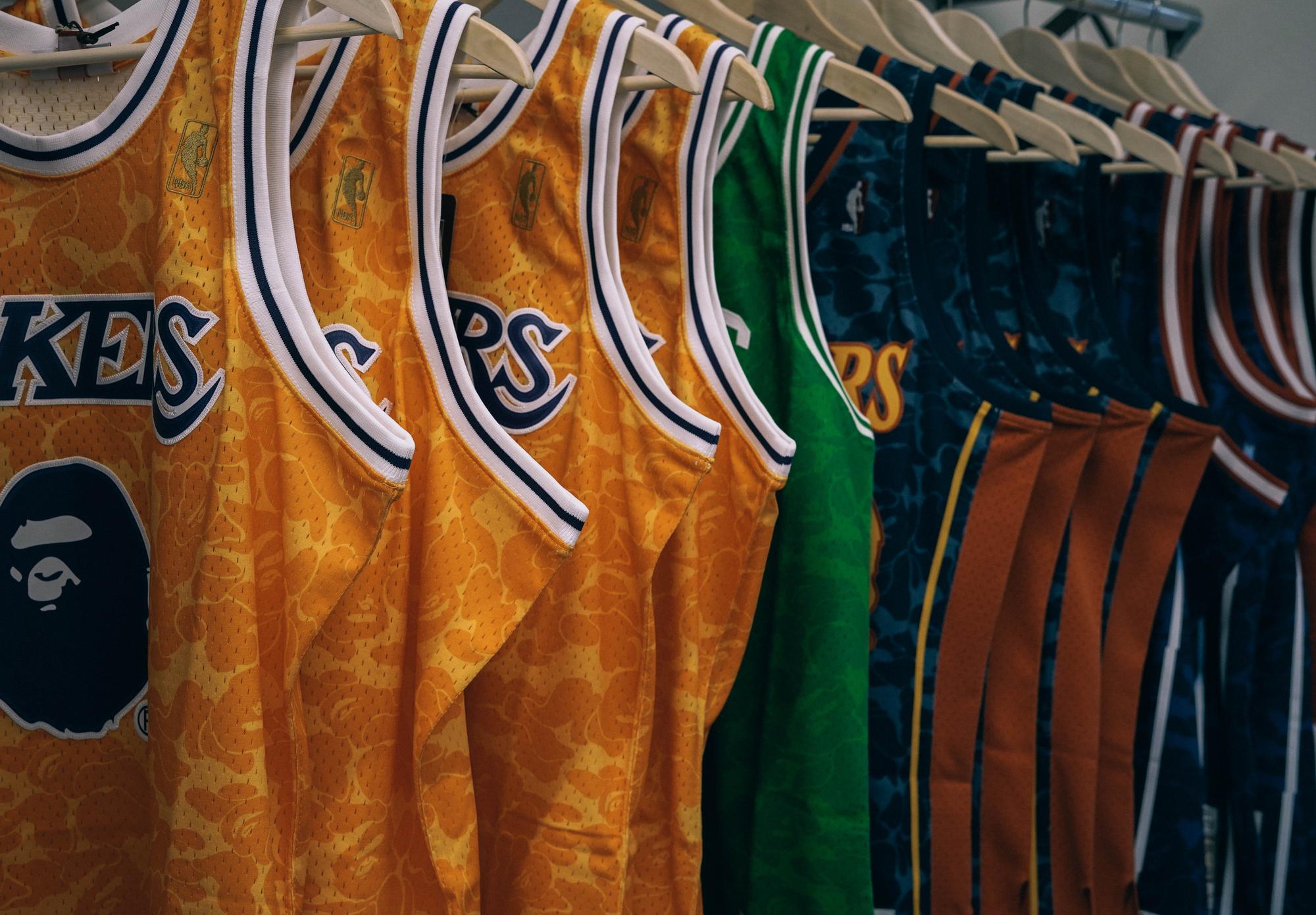
Marijuana-inspired jerseys sit at a tricky intersection of streetwear culture and some of the most aggressively protected brands in America: pro sports leagues. The core issue usually isn’t the cannabis leaf graphic itself. It’s whether the design borrows recognizable team identifiers—logos, wordmarks, colorways, striping patterns, or even “trade dress” cues—that can make shoppers think the jersey is officially connected to the league or a club.
That’s why most leagues centralize licensing through dedicated entities (or licensing arms) and tightly control who can manufacture and sell apparel using league and team intellectual property. These programs exist because merchandising revenue and brand consistency depend on it—and because quality control is part of trademark law’s bargain: owners must police misuse or risk dilution. Court records in disputes involving NFL Properties, for example, describe how unlicensed sales can jeopardize the value of licensing programs and fan trust.
When a cannabis-themed jersey crosses the line, leagues typically respond in familiar steps: takedowns on marketplaces, cease-and-desist letters, and—if needed—litigation. A real-world example outside cannabis but directly on point involved unauthorized “Luv Ya Blue”–inspired uniform usage tied to a former Houston Oilers aesthetic, underscoring how seriously leagues treat protected marks and associated branding elements.
The legal distinction that matters most is trademark versus copyright. Copyright can protect original artwork (like a custom illustration on a jersey), but team names, logos, and source-identifying designs are primarily trademark territory. That’s why “close enough” can still be risky: trademark law focuses on likelihood of consumer confusion—whether buyers might assume a product is licensed, endorsed, or affiliated.
Leagues also rely on broader enforcement ecosystems. U.S. Customs and Border Protection regularly reports seizures of counterfeit pro sports merchandise at ports of entry, highlighting how much enforcement attention flows toward unauthorized jerseys and apparel. Anti-counterfeit operations have also targeted fake NHL merchandise, reflecting the scale of the problem around major events when demand spikes.
So where can marijuana-inspired jersey brands safely play? The most defensible lane is “cannabis aesthetic, zero team confusion.” That means avoiding protected marks (logos, team names, league names), steering clear of signature fonts and iconic striping patterns, and not using color combinations in a way that strongly evokes a specific franchise. It also means being careful with marketing copy—using “football-style” is safer than using league names, and referencing a city can be safer than referencing a team nickname, depending on context.
Parody is often mentioned, but it’s not a magic shield—especially for apparel sold at scale. The more a marijuana jersey functions like a substitute for a real team jersey, the harder it is to claim it’s merely commentary. Leagues tend to take the position that when consumers are paying jersey-level prices, they’re buying perceived affiliation, not just a joke.
In short: pro leagues don’t ban cannabis-themed fashion. They protect sports branding with licensing-first rules—and marijuana-inspired jerseys only thrive long-term when the inspiration stays cultural, not confusingly team-specific.