
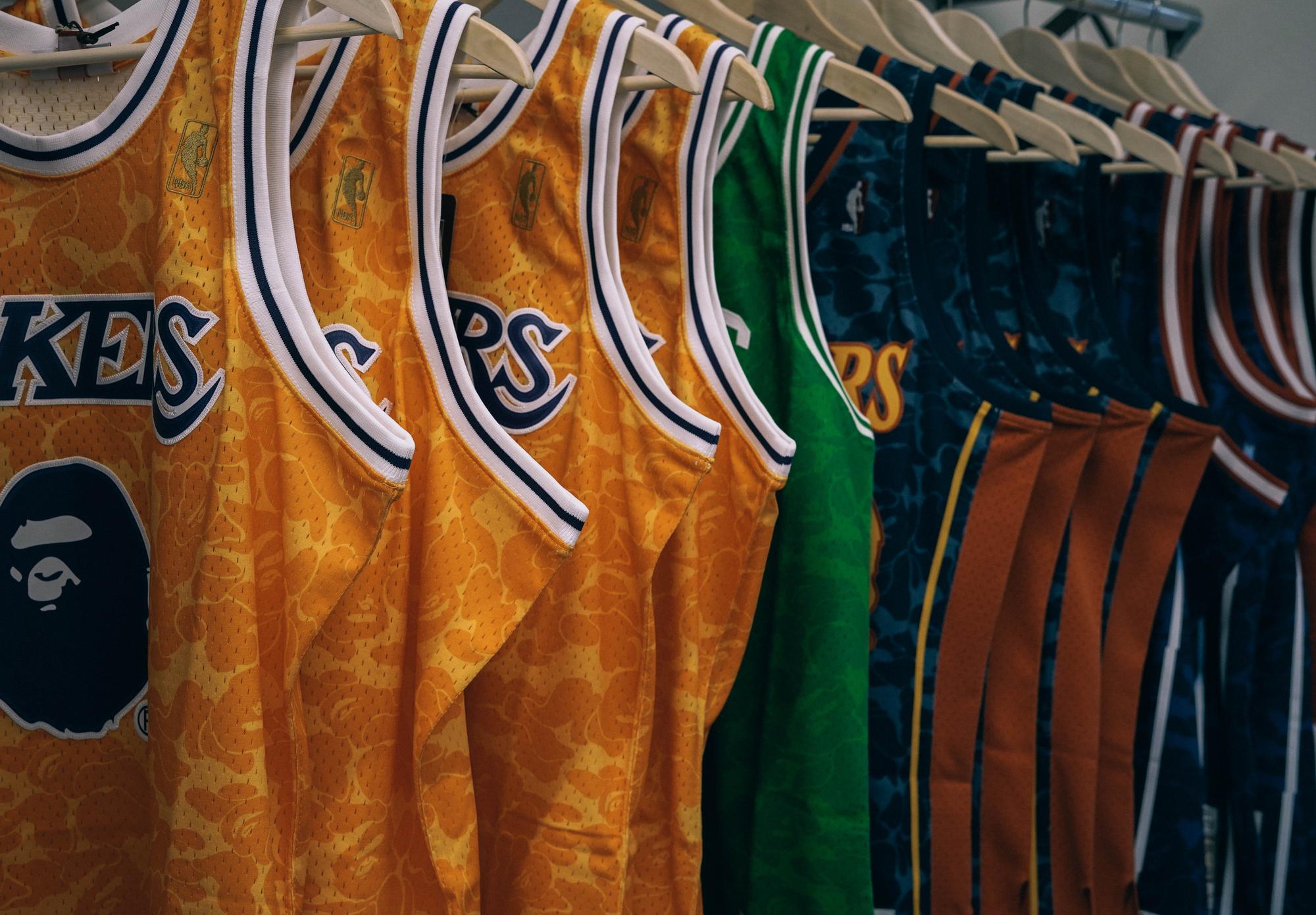
Limited drops have become one of retail’s most reliable demand engines—and marijuana jerseys fit the model almost perfectly. A jersey already signals identity (team energy, streetwear confidence, subculture cues). Add cannabis iconography and a “you had to be there” release strategy, and the product stops feeling like apparel and starts feeling like a moment.
At the center of the strategy is scarcity: deliberately limiting availability to make an item feel more valuable right now. Research-backed marketing thinking has long noted that scarcity can change buyer behavior, pushing people to act faster because they believe access is shrinking. That psychological nudge is exactly what drops are designed to trigger—especially online, where “sold out” is a billboard.
Streetwear’s drop model shows why it works. Industry analysts describe drops as a way for brands to actively steer demand to exceed supply—creating hype and even feeding a resale market. When marijuana jerseys are released in small batches, the limited supply becomes part of the product story. Buyers aren’t just paying for stitching and fabric; they’re paying for exclusivity and timing.
Limited drops also convert shopping into an event. Instead of browsing endlessly, customers mark release dates, watch teaser content, and race to checkout. Retail experts often frame drops as a form of scarcity marketing that uses limited availability and urgency to spark demand. For cannabis-inspired jerseys, that event energy often gets amplified by community channels—streetwear accounts, cannabis lifestyle pages, Discord groups, and group chats that treat release day like a shared ritual.
Crucially, drops don’t just create urgency; they create conversation. When a design is available only once, people talk about it more: what the graphics reference, whether the colorway is a nod to a strain, how it fits, how fast it disappeared. That chatter becomes free distribution—making the next drop feel even bigger than the last.
There’s also a strategic benefit: controlled supply reduces the risk of overproduction while keeping the brand’s “signal” strong. When products are always available, they become background noise. When they’re rare, they become a status marker. The rise of iconic streetwear brands built on limited releases shows how scarcity and launch rhythms can shape long-term cultural relevance.
Of course, scarcity cuts both ways. Too many “limited” releases can fatigue customers, and constant sellouts can frustrate loyal fans. But when brands balance access (clear timing, fair purchase limits, thoughtful restocks) with creativity (fresh art, meaningful references, strong storytelling), limited drops keep marijuana jerseys feeling like collectibles—not commodities.
That’s the real driver of demand: drops turn a jersey into a win—either someone scored it, or they’re already hunting the next one.
Read More: Where Cannabis Jerseys Fit in Sports Culture