
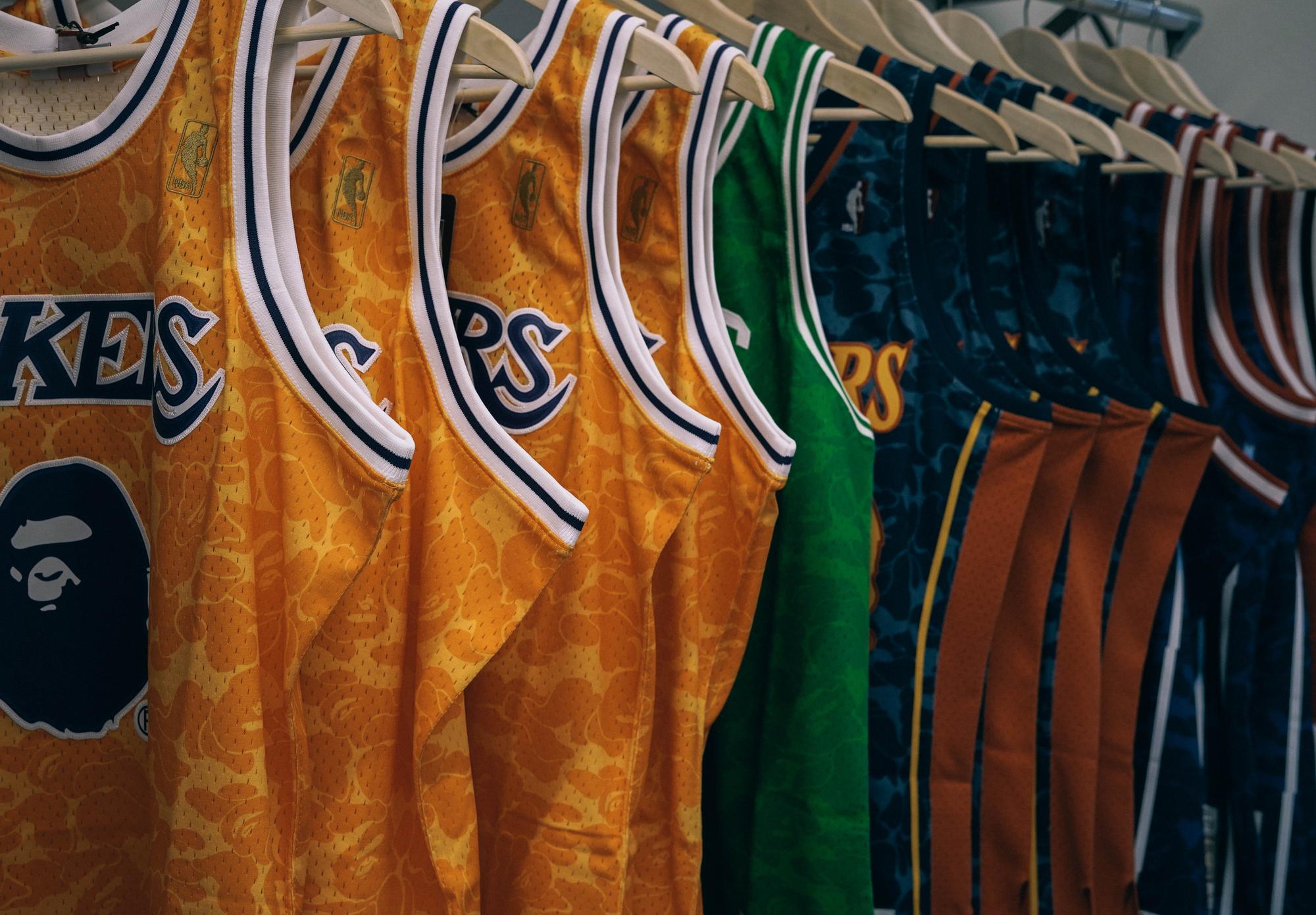
Cannabis-themed jerseys used to live on the fringes—something spotted at a festival, a smoke-friendly house party, or deep in a niche corner of streetwear. The next phase looks bigger, more organized, and more commercial. The category is evolving from “novelty graphic” to a real slice of fan fashion, shaped by shifting league attitudes, licensing realities, and the modern sports style machine.
One reason the trend has momentum is simple: cannabis is becoming less taboo inside pro sports. Policies have moved away from the old moral-panic posture and toward a more pragmatic stance. The NFL’s substance policy changes negotiated through collective bargaining reduced penalties and narrowed testing windows, signaling a softer approach than the league’s past era of suspensions. The NFL Players Association has also summarized key points of current drug policies, including how THC fits into the broader framework players navigate. In the NBA, the 2023 collective bargaining agreement shifted cannabis out of the prohibited category under the league’s anti-drug program, reinforcing the idea that cannabis is being treated more like a wellness-and-conduct issue than a scandal. Even MLB’s drug policy materials reflect how “natural cannabinoids” are handled under the sport’s program structure.
When stigma drops, merch gets louder. Sports culture is already trained to communicate identity through jerseys—team loyalty, city pride, player allegiance, throwback taste. Cannabis jerseys simply layer in one more identity signal: lifestyle. The future likely belongs to designs that are less “giant leaf on the chest” and more coded—clever colorways, alternate-wordmarks, parody typography, and premium construction that looks at home with sneakers and a fitted cap.
Retail is where things get especially interesting. The category will keep splitting into two lanes: licensed-adjacent streetwear (designs that echo the jersey vibe without crossing legal lines) and fully licensed collaborations (rare, expensive, and tightly controlled). Trademarks are the guardrails here. Team names, logos, and distinctive branding elements are protected, and sellers who drift too close to official marks risk enforcement. That friction will push smarter brands toward original iconography and “inspired by the culture” storytelling—because it’s easier to scale a business that isn’t one takedown notice away from disappearing.
The other reality is that demand attracts counterfeits. As sports merchandise gets more complex across global channels, brand protection and authentication become bigger operational priorities. For shoppers, that means the most successful marijuana jersey brands will win on trust: clear product pages, consistent sizing, quality photography, transparent shipping and returns, and legitimate payment and customer service.
So what does the future look like? More premium materials. More limited drops. More influencer and athlete proximity. And a gradual move from “weed joke jersey” to “sports-fashion piece.” The marijuana jersey isn’t replacing traditional fandom—it’s becoming a parallel uniform for a generation that treats sports culture and lifestyle culture as the same thing.